
Benign prostatic hyperplasia (BPH), commonly known as an enlarged prostate, affects millions of men as they age and can significantly interfere with daily life. Frequent urination, nighttime bathroom trips, weak urine flow, and the feeling of incomplete bladder emptying can become increasingly frustrating over time. While medications and traditional surgery have long been the primary treatment options, newer minimally invasive procedures are expanding the choices available to patients. At 1Prostate Center, patients in Manhattan and Queens have access to educational information about the latest advancements in prostate care, helping them better understand their treatment options and discuss them with their healthcare providers.
One of the most promising developments in recent years is Prostate Artery Embolization (PAE). This minimally invasive procedure has gained attention because it treats the enlarged prostate without removing tissue or requiring major surgery. Understanding how PAE works, who may benefit from it, and what patients can expect can help men make informed decisions about managing BPH.
Understanding Benign Prostatic Hyperplasia
The prostate naturally grows larger with age. For many men, this enlargement remains mild, but for others, it compresses the urethra and restricts the normal flow of urine. These urinary symptoms can gradually worsen and may eventually affect sleep, work, travel, and overall quality of life.
Many men initially manage symptoms with lifestyle modifications or medications. While medications can reduce symptoms for some individuals, they do not work equally well for everyone and may produce unwanted side effects. Traditional surgical procedures have also been highly effective but may involve longer recovery times and greater procedural risks. This has led many patients to explore minimally invasive alternatives that provide symptom relief while reducing recovery time.
What Is Prostate Artery Embolization?
A Minimally Invasive Approach
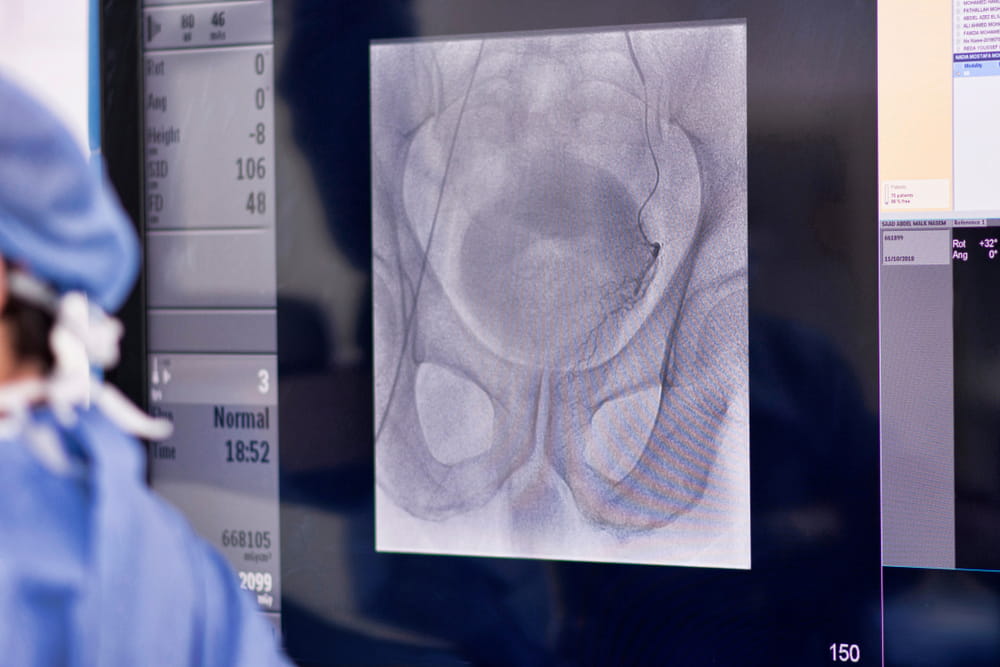
Prostate Artery Embolization is a minimally invasive image-guided procedure performed by an interventional radiologist. Rather than removing prostate tissue, the procedure works by reducing the prostate’s blood supply. Tiny microscopic particles are delivered through a catheter into the arteries that feed the prostate, decreasing blood flow and causing the enlarged tissue to gradually shrink over time.
Because the procedure is performed through a small puncture in the wrist or groin instead of a large surgical incision, patients generally experience less discomfort than with traditional surgery. Most individuals return home the same day and resume many normal activities within a relatively short period, although recovery recommendations vary depending on each person’s health.
How the Procedure Is Performed
Before the procedure, imaging studies help identify the specific arteries supplying the prostate. During PAE, the physician carefully advances a thin catheter through the blood vessels under X-ray guidance until it reaches the prostate arteries.
The embolic particles are then released to reduce blood flow to the enlarged prostate tissue while preserving circulation to surrounding structures. Over the following weeks and months, the prostate gradually becomes smaller, relieving pressure on the urethra and improving urinary symptoms. Because the improvement occurs gradually, many patients notice progressive symptom relief rather than immediate changes.
Potential Benefits of PAE
One reason PAE has generated significant interest is that it offers several potential advantages compared with more invasive surgical procedures. While every patient’s experience differs, potential benefits may include:
- No large surgical incision
- Usually performed as an outpatient procedure
- Shorter recovery period for many patients
- Lower risk of certain surgical complications
- Preservation of surrounding prostate tissue
- Improvement in urinary symptoms and quality of life
These advantages have made PAE an attractive option for many men who wish to avoid traditional surgery or who may not be ideal surgical candidates because of other medical conditions.
Who May Be a Good Candidate?
Not every patient with BPH is an ideal candidate for Prostate Artery Embolization. Several factors influence treatment recommendations, including prostate size, symptom severity, overall health, prior treatments, and individual anatomy.
Patients who continue experiencing bothersome urinary symptoms despite medication may be candidates for PAE. It may also be considered for men with significantly enlarged prostates who want to explore minimally invasive options before pursuing surgery. A comprehensive evaluation, including imaging and consultation with experienced specialists, helps determine whether PAE is appropriate for an individual’s specific situation.
Men should also understand that there are multiple effective treatment options for enlarged prostate. Depending on symptom severity and prostate anatomy, physicians may recommend Medication, Prostatic Artery Embolization (PAE), TUMT, UroLift, Rezum, or TURP. Each treatment has unique advantages, limitations, and recovery expectations, making individualized treatment planning especially important.
Recovery and Long-Term Expectations
Recovery following PAE is generally faster than many traditional surgical procedures, although patients may experience mild pelvic discomfort, urinary frequency, or temporary irritation during the initial healing period. These symptoms typically improve as the body adjusts following treatment.
Long-term studies have demonstrated meaningful improvements in urinary symptoms, urine flow, and overall quality of life for many patients undergoing PAE. However, outcomes vary depending on prostate size, symptom severity, and individual health factors. Regular follow-up appointments remain important to monitor symptom improvement and determine whether any additional treatment is needed in the future.
Patients should maintain realistic expectations. While PAE can significantly improve urinary symptoms for many men, it does not completely stop the aging process or eliminate every future prostate-related concern. Ongoing communication with healthcare providers remains an important part of long-term prostate health.
Making an Informed Treatment Decision
Choosing a treatment for BPH involves balancing symptom relief, recovery time, personal preferences, and overall health. As minimally invasive therapies continue to advance, patients have more options than ever before. Understanding the differences among available treatments allows men to participate more confidently in shared decision-making with their physicians.
At 1Prostate Center, Dr. David Shusterman provides educational resources to help patients in Manhattan and Queens better understand enlarged prostate treatment options, including newer minimally invasive procedures like Prostate Artery Embolization. Learning about available therapies is often the first step toward finding an individualized treatment plan that supports both urinary health and long-term quality of life.
Resources
Carnevale, F. C., Moreira, A. M., & Antunes, A. A. (2020). The Role of Prostatic Artery Embolization in the Treatment of Benign Prostatic Hyperplasia. Radiographics.
American Urological Association. (2023). Guideline: Management of Benign Prostatic Hyperplasia (BPH).
Society of Interventional Radiology. (2022). Quality Improvement Guidelines for Prostatic Artery Embolization.