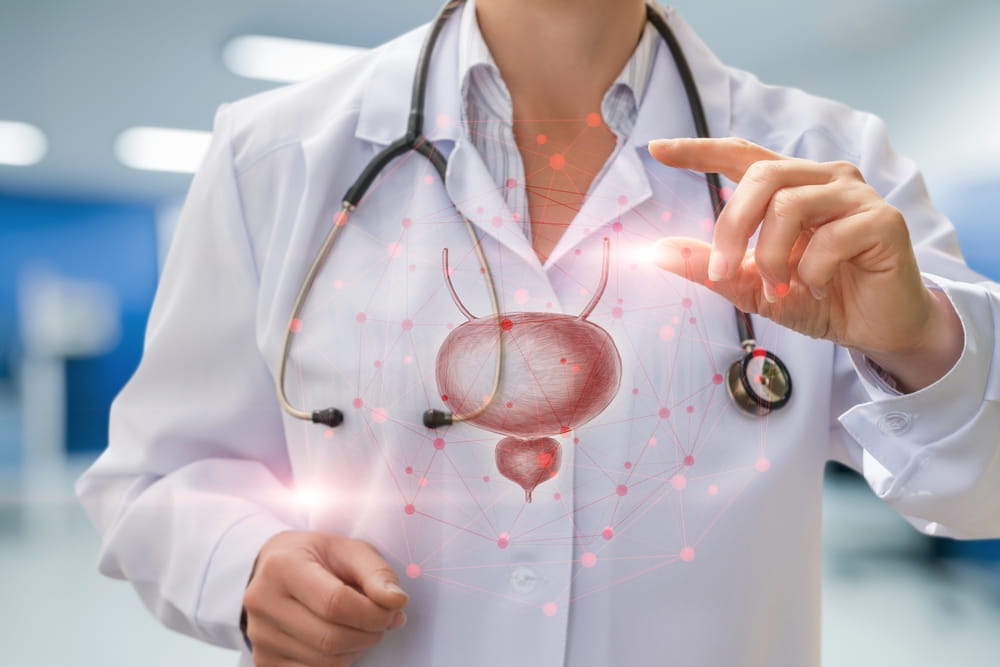
Interest in natural compounds that may support prostate health has grown significantly in recent years, particularly among men seeking ways to complement a healthy lifestyle. One of the most widely studied compounds is curcumin, the primary active ingredient found in turmeric. Known for its anti-inflammatory and antioxidant properties, curcumin has been investigated for its potential effects on various health conditions, including prostate health. At 1Prostate Center, patients in Manhattan and Queens are encouraged to stay informed about both conventional medical treatments and evidence-based lifestyle approaches that may contribute to overall wellness.
While curcumin has shown promise in laboratory and early clinical research, it is important to understand its current role. Curcumin is not a cure for prostate disease, nor should it replace medical evaluation or prescribed treatments. Instead, ongoing research suggests it may serve as part of a broader strategy that includes healthy nutrition, regular exercise, preventive screenings, and physician-guided care.
What Is Curcumin?
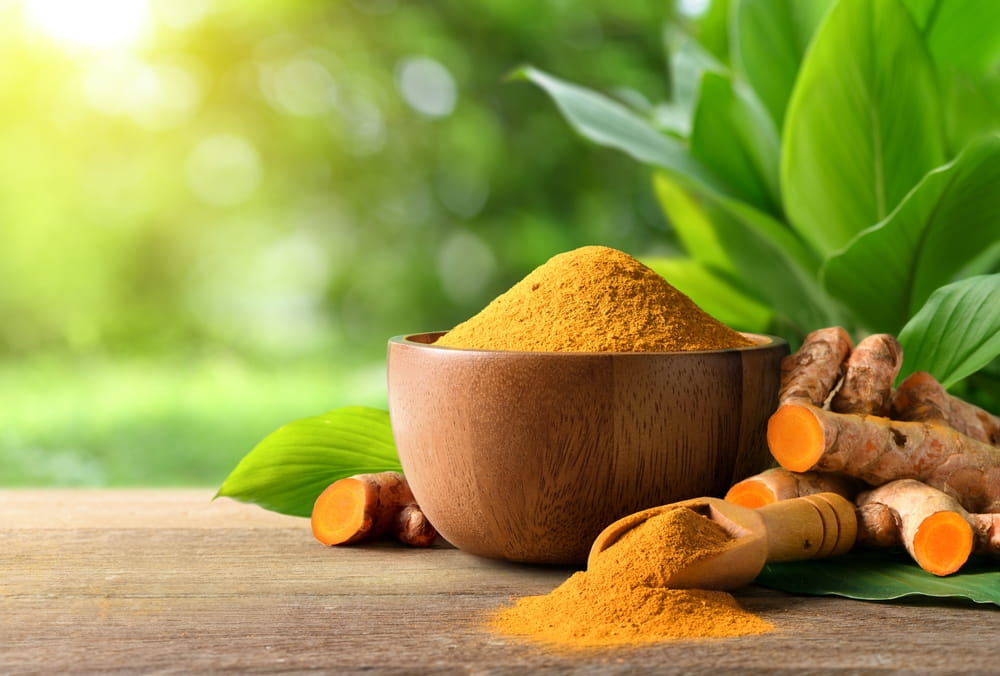
Curcumin is a naturally occurring polyphenol found in turmeric, a spice commonly used in South Asian and Middle Eastern cuisine. For centuries, turmeric has been incorporated into traditional medical practices because of its potential medicinal properties. Modern scientific research has focused on curcumin because it appears to possess antioxidant, anti-inflammatory, and immune-modulating effects.
One challenge with curcumin is that it is not easily absorbed by the body when consumed alone. Many dietary supplements combine curcumin with black pepper extract (piperine) or specialized formulations designed to improve absorption. Although these products may increase bioavailability, the effectiveness of different formulations continues to be studied, and patients should discuss supplements with their healthcare provider before starting them.
How Inflammation Affects Prostate Health
Understanding Chronic Inflammation
Inflammation is a natural part of the body’s healing process, but chronic inflammation has been associated with numerous long-term health conditions. Researchers believe persistent inflammation may contribute to changes within prostate tissue that affect both benign and malignant prostate diseases.
Curcumin has attracted scientific interest because it appears to influence several inflammatory pathways within the body. Laboratory studies have demonstrated that curcumin may help regulate inflammatory molecules and reduce oxidative stress, both of which are areas of ongoing investigation in prostate research. While these findings are encouraging, additional human studies are needed before definitive conclusions can be made regarding its clinical benefits.
Curcumin and Benign Prostatic Hyperplasia (BPH)
Benign prostatic hyperplasia (BPH), or an enlarged prostate, becomes increasingly common as men age. The condition develops when the prostate enlarges and compresses the urethra, leading to urinary symptoms such as frequent urination, weak urinary stream, urgency, and nighttime bathroom visits.
Some early research suggests that curcumin’s anti-inflammatory properties may support prostate tissue health, potentially helping reduce inflammation associated with BPH. However, current evidence has not established curcumin as a standalone treatment for enlarged prostate. Men experiencing urinary symptoms should seek a proper medical evaluation, as multiple conditions—including BPH, prostatitis, and prostate cancer—can produce similar symptoms. Appropriate diagnosis remains essential before beginning any treatment or supplement regimen.
What Research Says About Prostate Cancer
Curcumin has also been extensively studied in laboratory models of prostate cancer. Researchers have observed that curcumin may influence cellular pathways involved in inflammation, oxidative damage, cell growth, and programmed cell death. These findings have generated considerable interest because they suggest curcumin may affect biological processes associated with cancer development.
Despite promising laboratory and animal research, human clinical studies remain limited. Current evidence does not support using curcumin as a treatment for prostate cancer or as a replacement for standard therapies. Instead, researchers continue investigating whether curcumin may eventually play a supportive role alongside conventional treatments in carefully selected patients. Larger clinical trials are still needed to better understand its effectiveness and long-term safety.
Can Curcumin Be Part of a Healthy Lifestyle?
Many healthcare professionals encourage focusing on overall healthy lifestyle habits rather than relying on any single supplement. Curcumin may fit into that broader approach when used appropriately and under medical guidance.
Healthy habits that support prostate health include:
- Eating a balanced diet rich in fruits and vegetables
- Maintaining a healthy body weight
- Exercising regularly
- Staying well hydrated
- Avoiding tobacco products
- Limiting excessive alcohol consumption
- Keeping up with recommended prostate screenings
These lifestyle choices benefit not only prostate health but also cardiovascular health, metabolic wellness, and overall quality of life.
Important Considerations Before Taking Curcumin
Although curcumin is generally considered safe for many people when taken appropriately, supplements are not suitable for everyone. High doses may cause digestive upset in some individuals, and curcumin can interact with certain medications, including blood thinners and some diabetes medications. Patients with gallbladder disease or those preparing for surgery should also discuss curcumin use with their healthcare provider.
Because dietary supplements are not regulated as strictly as prescription medications, product quality can vary considerably between manufacturers. Individuals considering curcumin supplements should seek guidance from qualified healthcare professionals to ensure they select products that are appropriate for their medical history and current medications.
It is also important to remember that urinary symptoms should never be treated with supplements alone without first identifying the underlying cause. Men diagnosed with benign prostatic hyperplasia may benefit from treatment options such as Medication, Prostatic Artery Embolization (PAE), TUMT, UroLift, Rezum, or TURP, depending on symptom severity, prostate size, and individual health considerations.
Supporting Prostate Health with Evidence-Based Care
Curcumin remains one of the most extensively researched natural compounds for its potential health benefits, and ongoing studies continue to explore its possible role in supporting prostate health. While early findings are promising, more high-quality clinical research is necessary before curcumin can be recommended as a primary treatment for prostate conditions. Patients should view it as one possible component of an overall healthy lifestyle rather than a substitute for medical care.
At 1Prostate Center, Dr. David Shusterman encourages patients throughout Manhattan and Queens to make informed decisions about prostate health by combining healthy lifestyle choices with regular screenings and individualized medical guidance. Staying informed about both emerging research and established treatment options can help men take a proactive approach to maintaining long-term prostate wellness.
Resources
Gupta, S. C., Patchva, S., & Aggarwal, B. B. (2013). Therapeutic Roles of Curcumin: Lessons Learned from Clinical Trials. The AAPS Journal.
National Center for Complementary and Integrative Health. (2024). Turmeric.
American Urological Association. (2023). Guideline: Management of Benign Prostatic Hyperplasia (BPH).