If you’ve been diagnosed with benign prostatic hyperplasia (BPH), you may be wondering if it will affect your ability to father children. The good news is that most men with BPH can father children without any problems. However, there are a few factors that can affect fertility in men with BPH. In this blog post, we’ll discuss what BPH is, how it affects the body, and how to treat it in order to improve fertility. We’ll also answer some common questions about the relationship between BPH and fertility. So if you’re concerned about your ability to have children after being diagnosed with BPH, read on!
What is BPH?
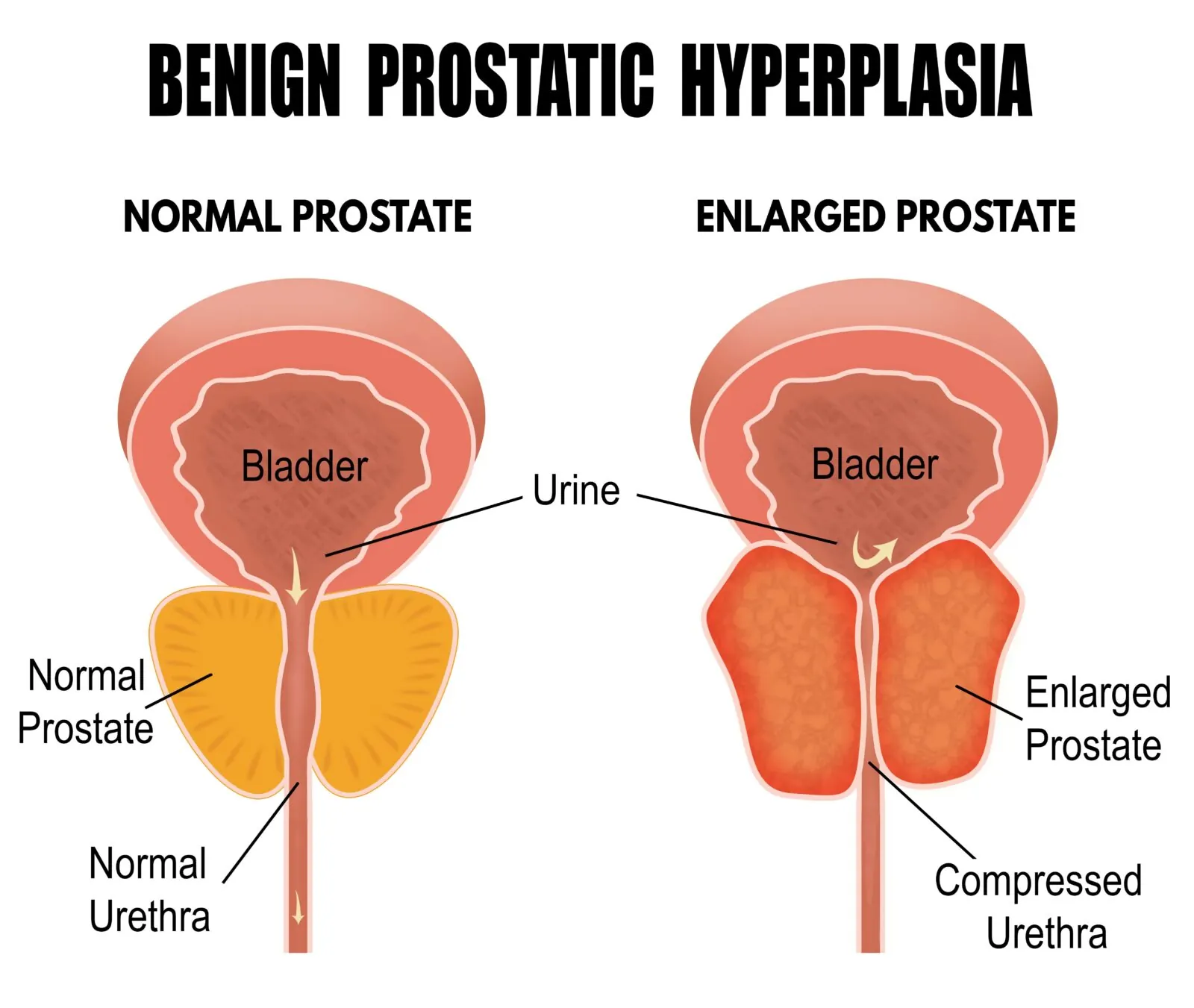
Benign prostatic hyperplasia (BPH) is a noncancerous enlargement of the prostate gland. The prostate is a small, walnut-sized gland that surrounds the urethra (the tube that carries urine from the bladder to the outside of the body). As men age, it’s common for the prostate gland to enlarge. This can cause urinary symptoms such as frequency, urgency, and difficulty urinating. BPH is a very common condition: more than half of men over the age of 60 have it, although not all develop symptoms.
How does BPH affect the body?
There are a few ways that BPH can affect the body and, as a result, fertility. Besides causing a variety of urinary symptoms, there are some factors associated with BPH that can affect fertility in men. These include:
Impaired Sexual Function
First, BPH is associated with impaired sexual function. Men with more severe urinary symptoms are more likely to report erectile and ejaculatory problems, which can affect fertility. Retrograde ejaculation, which is when semen enters the bladder instead of exiting through the penis during orgasm, is usually caused by BPH treatments such as certain medications or surgery rather than by the enlarged prostate itself.

Medication Side Effects
There are a variety of medications available to help treat BPH symptoms. While these medications are effective in managing symptoms, however, they can cause side effects that can impact fertility. For example, alpha-blockers can reduce or stop ejaculation, while 5-alpha reductase inhibitors can cause erectile dysfunction or reduced sex drive and can lower semen volume, sperm count, and sperm movement.
Postsurgical Complications
Certain BPH treatments also come with a higher risk of postsurgical complications that can impair fertility. For example, most men who undergo transurethral resection of the prostate (TURP) experience retrograde ejaculation after surgery, and some men also experience erectile dysfunction.
Treating BPH to Improve Fertility
Fortunately, there are a number of things that can be done to treat BPH and improve fertility. If you’re trying to conceive, it’s important to talk to your doctor about the best treatment option for you. In some cases, medications may be effective in treating BPH without impacting fertility. If a procedure is necessary, minimally invasive options such as prostate artery embolization (PAE), our first-line procedure, and Rezum are designed to preserve ejaculation and carry a lower risk of sexual side effects. In addition, there are a variety of fertility treatments available that can help men with BPH father children.
In Conclusion
In this blog post, we’ve discussed the relationship between BPH and fertility. While BPH can cause a number of problems that can affect fertility, it’s important to remember that most men with BPH are still able to father children without any difficulty. If you’re concerned about your ability to conceive after being diagnosed with BPH, talk to your doctor about the best treatment option for you.
Sources
- Diagnosis and Treatment of Infertility in Men: AUA/ASRM Guideline. American Urological Association / ASRM, 2024.
- Disorders of Ejaculation: An AUA/SMSNA Guideline. American Urological Association / SMSNA, 2020.
- The effect of 5alpha-reductase inhibition with dutasteride and finasteride on semen parameters and serum hormones in healthy men. J Clin Endocrinol Metab, 2007.
- Effects of acute treatment with tamsulosin versus alfuzosin on ejaculatory function in normal volunteers. J Urol, 2006.
- Systematic review of lower urinary tract symptoms/benign prostatic hyperplasia surgical treatments on men's ejaculatory function: Time for a bespoke approach?. Int J Urol, 2016.
- Lower urinary tract symptoms and male sexual dysfunction: the multinational survey of the aging male (MSAM-7). Eur Urol, 2003.
Share this blog!
Facebook Twitter LinkedInRecent Post

Managing Chronic Prostatitis: Natural Remedies That Help
Read More »
The Role of Curcumin in Prostate Health
Read More »