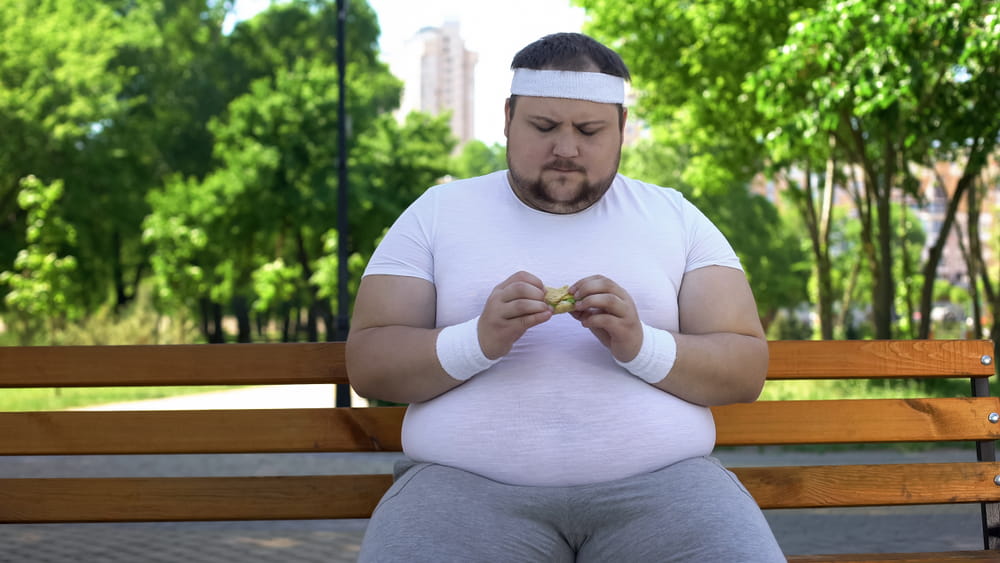
At 1Prostate Center, patients in Manhattan and Queens often ask how they can improve bladder control when living with benign prostatic hyperplasia (BPH). This condition, also known as prostate enlargement, can make it difficult to empty the bladder completely, cause frequent trips to the bathroom, and disrupt sleep with nighttime urination. Dr. David Shusterman emphasizes that while BPH is common with age, there are practical steps men can take to reduce bladder problems and regain confidence in daily life. Understanding why bladder control is affected and learning effective strategies is key to better management.
Why BPH Affects Bladder Function
The prostate gland surrounds the urethra, the tube that carries urine from the bladder. When the prostate enlarges, it presses against the urethra and disrupts the normal flow of urine. This often results in symptoms such as difficulty starting urination, weak stream, dribbling, or a frequent urge to go. Over time, the bladder muscles work harder to push urine out, which can make them overactive and more prone to spasms.
As the bladder becomes more sensitive, men may feel sudden urges to urinate even when it is not full. This combination of obstruction from the prostate and irritation in the bladder can make controlling urination much more difficult. Left unmanaged, these symptoms can interfere with work, travel, and overall quality of life.
Lifestyle Adjustments to Support Bladder Control
Simple lifestyle changes can make a noticeable difference in bladder control for men with BPH. One important adjustment is monitoring fluid intake. While hydration is essential, drinking large amounts at once or too close to bedtime can increase urgency and nighttime trips to the bathroom. Spacing fluid intake evenly throughout the day and limiting it in the evening can help.
Caffeine and alcohol are known bladder irritants that can worsen urgency and frequency. Reducing or eliminating these substances may significantly improve symptoms. Maintaining a healthy weight also helps because excess abdominal fat increases pressure on the bladder and worsens leakage. Regular exercise can reduce this pressure and improve muscle strength, further supporting bladder control.
Pelvic Floor Exercises and Bladder Training
Pelvic floor exercises, also known as Kegel exercises, are an effective way to strengthen the muscles that support the bladder and urethra. By regularly tightening and relaxing these muscles, men can improve control over urination and reduce leakage. These exercises can be practiced anywhere and become more effective with consistency.
Bladder training is another useful strategy. This involves gradually increasing the time between bathroom visits to help the bladder hold more urine comfortably. For example, if a man currently urinates every hour, he may start by waiting an additional 10–15 minutes before going to the bathroom. Over time, this builds bladder capacity and reduces urgency. Both of these techniques can be done at home and provide long-term benefits when practiced regularly.
Medications and Their Role in Bladder Control
In some cases, lifestyle adjustments alone are not enough, and medications may be recommended to improve bladder control. Alpha blockers relax the muscles of the prostate and bladder neck, making it easier to pass urine. 5-alpha reductase inhibitors shrink the prostate over time, reducing pressure on the bladder.
For men whose main problem is urgency and overactive bladder symptoms, antimuscarinic drugs or beta-3 agonists may be prescribed. These medications help calm bladder spasms, reduce urgency, and improve the ability to hold urine. Each medication has its own benefits and side effects, so it is important for patients to discuss these options with their doctor to find the best fit.
Long-Term Strategies for Better Quality of Life
Improving bladder control with BPH is about combining multiple strategies for the best results. Lifestyle adjustments, exercises, and medications can all play a role, depending on the severity of symptoms. Regular follow-ups with a healthcare provider ensure that treatments remain effective and that adjustments are made as needed.
Men should also keep track of their symptoms in a journal, noting how often they urinate, how much they drink, and whether they experience leakage or urgency. Sharing this information with a doctor provides valuable insights for tailoring care. By being proactive, men can improve bladder control and reduce the disruption BPH brings to their daily lives.
Taking Steps Toward Control
Living with BPH does not mean giving up control over bladder function. Through practical strategies such as hydration management, pelvic floor exercises, bladder training, and in some cases medications, men can significantly reduce symptoms and improve quality of life. At 1Prostate Center in Manhattan and Queens, Dr. David Shusterman reminds patients that with the right approach, bladder control can be improved, restoring comfort and confidence in daily routines.
Resources
- Chapple, C. R., & Roehrborn, C. G. (2006). A Shift from BPH to LUTS: The Need for a New Classification System. European Urology.
- Gratzke, C., Bachmann, A., & Descazeaud, A. (2015). EAU Guidelines on the Assessment of Non-neurogenic Male Lower Urinary Tract Symptoms Including Benign Prostatic Obstruction. European Urology.
- Tammela, T. L. J. (2006). Benign Prostatic Hyperplasia: From Clinical Research to Everyday Practice. British Journal of Urology International.
Share this blog!
Facebook Twitter LinkedInRecent Post

Managing Chronic Prostatitis: Natural Remedies That Help
Read More »
The Role of Curcumin in Prostate Health
Read More »