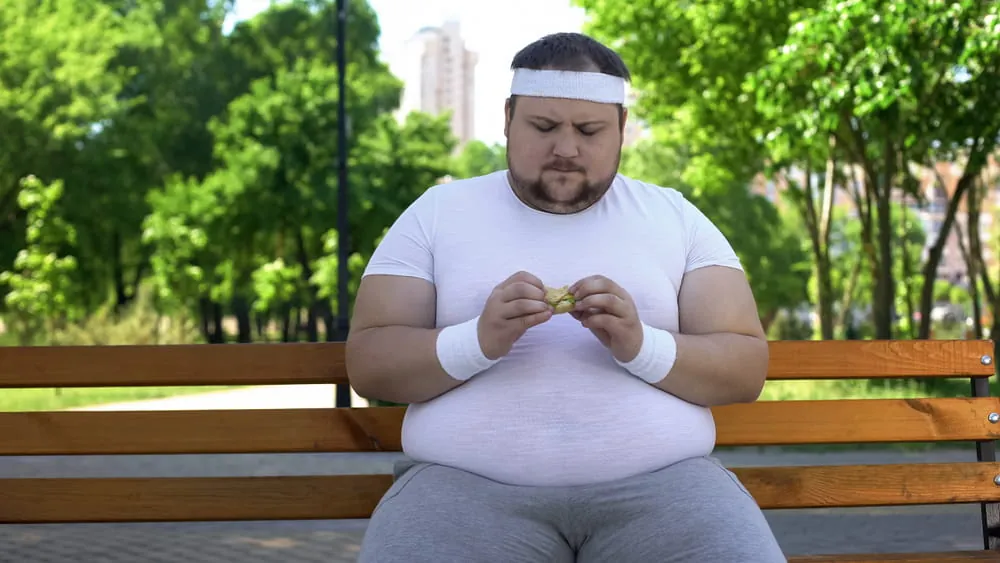
Frequent urination is a common concern among men, especially as they age. At 1Prostate Center, under the care of Dr. David Shusterman, patients in Manhattan and Queens often learn that this symptom is not a condition itself but a signal that something else may be affecting the urinary system. Causes can range from an enlarged prostate and overactive bladder to lifestyle habits and fluid intake patterns.
The bladder and prostate work closely together to regulate urine flow. When the prostate becomes enlarged or irritated, it can place pressure on the bladder and urethra, leading to increased urgency and frequency. In other cases, excessive fluid intake, caffeine consumption, or underlying metabolic conditions may be contributing factors.
Many individuals begin their search for answers by looking up urologist near me midtown manhattan or visiting a urology clinic in nyc when symptoms start interfering with daily life. However, not all cases require immediate medication, and there are effective non-pharmacological strategies that can help manage symptoms.
Lifestyle Adjustments That Make a Difference
Small Changes With Significant Impact
One of the most effective ways to manage frequent urination without medication is by modifying daily habits. These changes may seem simple, but they can have a meaningful impact on bladder function and overall comfort.
Reducing the intake of bladder irritants is often the first step. Caffeine, alcohol, and carbonated beverages can stimulate the bladder and increase urgency. Adjusting fluid timing, such as limiting intake in the evening, can also help reduce nighttime urination.
In addition, maintaining a healthy weight and staying physically active can improve bladder control. Excess weight places pressure on the bladder, which can worsen symptoms over time. These lifestyle adjustments are often recommended alongside professional evaluation from a urology doctor nyc to ensure there are no underlying conditions requiring treatment.
Bladder Training Techniques for Better Control
Bladder training is a structured approach that helps increase the amount of time between bathroom visits. This method gradually retrains the bladder to hold more urine and reduces the sensation of urgency.
The process involves setting scheduled intervals for urination and slowly extending the time between trips to the bathroom. While it may feel challenging at first, consistency is key to achieving results. Over time, the bladder adapts, leading to improved control and fewer interruptions throughout the day.
Pelvic floor exercises, commonly known as Kegel exercises, can also strengthen the muscles that support bladder function. These exercises are particularly helpful for individuals experiencing mild urinary leakage or those seeking urinary incontinence treatment midtown manhattan without relying on medication.
The Role of Diet in Urinary Health
Diet plays a crucial role in managing urinary symptoms. Certain foods can irritate the bladder, while others support overall urinary health. Spicy foods, artificial sweeteners, and acidic items like citrus fruits may trigger increased urgency in some individuals.
On the other hand, a diet rich in vegetables, whole grains, and lean proteins can help reduce inflammation and support metabolic health. Staying hydrated is also important, but it should be balanced to avoid overloading the bladder.
Men who experience both urinary symptoms and metabolic concerns may also be exploring kidney stones treatment midtown manhattan, as diet and hydration are key factors in preventing stone formation. A balanced approach to nutrition can benefit multiple aspects of urological health.
When Frequent Urination Signals a Larger Issue
While lifestyle changes can be effective, frequent urination may sometimes indicate an underlying condition that requires further evaluation. Benign prostatic hyperplasia (BPH), infections, and even prostate cancer can present with urinary symptoms.
For individuals researching prostate cancer treatment midtown manhattan or enlarged prostate treatment midtown manhattan, it is important to recognize when symptoms persist despite lifestyle modifications. Early evaluation can lead to more effective and less invasive treatment options.
In some cases, frequent urination may also be linked to sexual health concerns. The same nerves and blood vessels involved in bladder control play a role in erectile function. This is why some patients seeking erectile dysfunction treatment midtown manhattan may also report urinary symptoms.
Non-Medication Treatment Options for Prostate-Related Symptoms
For men whose symptoms are related to prostate enlargement, there are non-medication treatment options available that can provide relief. Minimally invasive procedures such as Urolift and Rezum are designed to improve urine flow without the need for long-term medication.
Other options like TUMT and TURP may be considered for more advanced cases. These procedures aim to reduce obstruction and restore normal urinary function.
While medication remains a common approach, many patients are interested in exploring alternatives that align with their preferences and lifestyle. Consulting with the best urologist for prostate cancer in midtown manhattan or a trusted specialist in Manhattan and Queens can help determine the most appropriate course of action.
Building Long-Term Bladder Health Habits
Managing frequent urination without medication requires consistency and a proactive mindset. Incorporating healthy habits into daily routines can lead to lasting improvements in bladder control and overall well-being.
Regular check-ups, open communication with healthcare providers, and ongoing monitoring of symptoms are essential components of long-term care. Even when symptoms improve, maintaining these habits can help prevent recurrence and support overall urological health.
At 1Prostate Center, patients in Manhattan and Queens are encouraged to take an active role in their health. With guidance from Dr. David Shusterman, individuals can explore a range of strategies that promote comfort, confidence, and quality of life.
Resources
Wein, A. J., et al. (2016). Overactive Bladder: Diagnosis and Treatment. Campbell-Walsh Urology.
Abrams, P., et al. (2018). Evaluation and Treatment of Lower Urinary Tract Symptoms. The Lancet.
Gratzke, C., et al. (2015). Management of Non-Neurogenic Male Lower Urinary Tract Symptoms. European Urology.
Share this blog!
Facebook Twitter LinkedInRecent Post

Managing Chronic Prostatitis: Natural Remedies That Help
Read More »
The Role of Curcumin in Prostate Health
Read More »