If you’re a middle-aged man, chances are you’ve heard of Benign Prostatic Hyperplasia (BPH). This condition is quite common, affecting around 50% of men over the age of 50. While BPH is not a life-threatening condition, it can cause a great deal of discomfort and inconvenience if left untreated. In this blog post, we’ll be discussing the dangers of untreated BPH, as well as some possible treatment options.
What is BPH and how does it affect the prostate gland?
Benign Prostatic Hyperplasia (BPH) is a common condition that is estimated to affect millions of men around the world. This condition occurs when cells in the prostate gland multiply, enlarging the gland so that it can press on the urethra and interfere with normal functioning of the urinary system. BPH is strongly associated with aging and rarely causes symptoms before age 40.
Symptoms of this condition vary, but can include:
- frequent urination during the day or night
- an inability to fully empty the bladder
- a weak stream of urine
- pain while urinating
What are the risks of untreated BPH?
Even though BPH is not cancer, when significant obstruction goes untreated it can lead to complications in some men. Most men with BPH never develop them, but when they occur they can have a major impact on one’s health. These risks can include:
Urinary Tract Infections
BPH can cause urinary tract infections (UTIs) in men because the enlarged prostate can obstruct the flow of urine from the bladder, causing urine to be retained in the bladder for longer periods of time. When urine is not fully expelled from the bladder, it can become a breeding ground for bacteria, leading to a UTI. This can also result in the formation of bladder stones. In addition to causing discomfort and pain, UTIs can cause fever, chills, and nausea. It is important for men with BPH to seek medical attention if they experience symptoms of a UTI to prevent further complications.
Kidney Problems
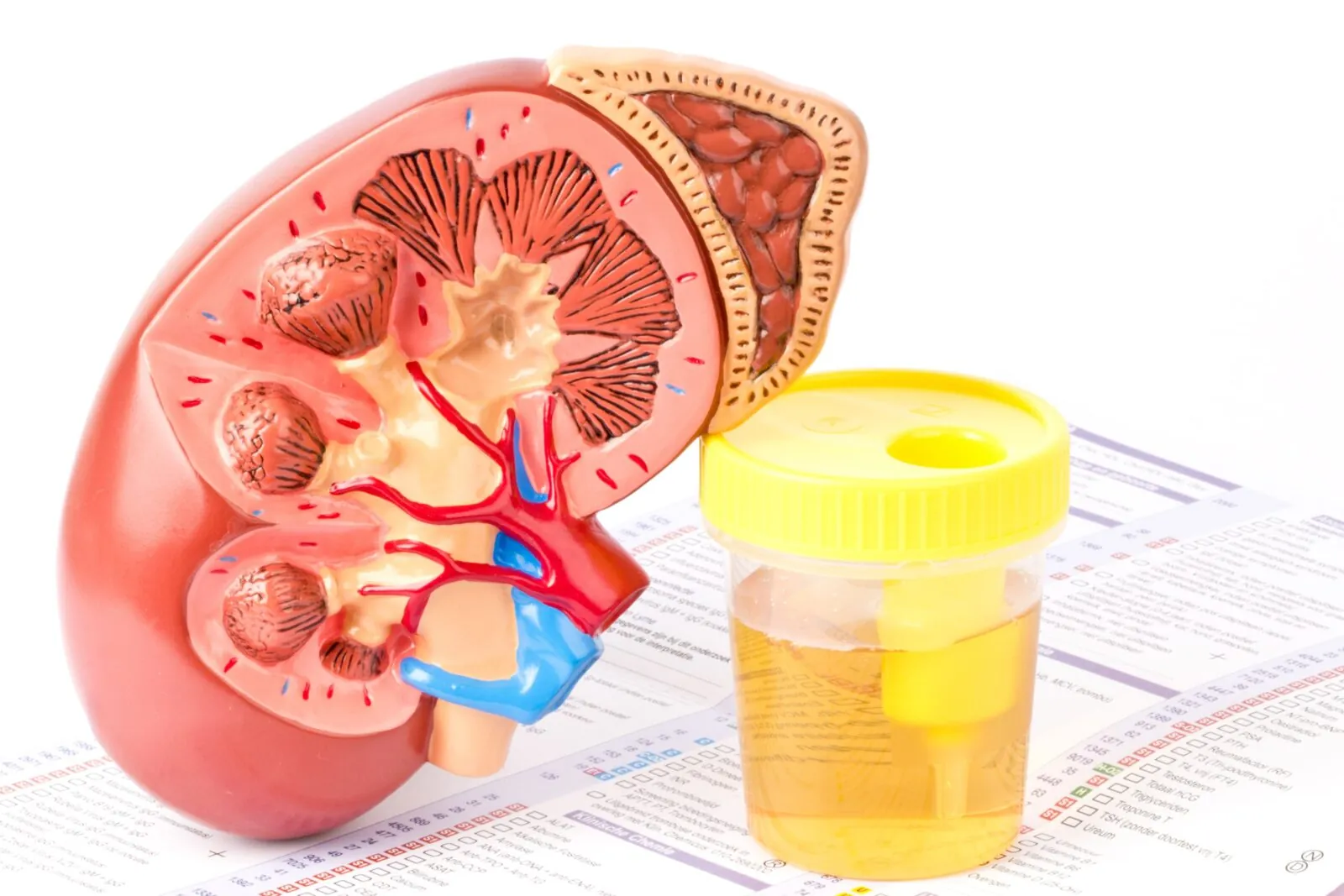
Kidney infections, also known as pyelonephritis, occur when bacteria enter the kidneys through the urinary tract. BPH can increase the risk of kidney infections because the enlarged prostate can obstruct the flow of urine, causing urine to be retained in the bladder for longer periods of time. When urine is not expelled from the bladder completely, it can become a breeding ground for bacteria, which can then travel up the urinary tract and infect the kidneys. Symptoms of a kidney infection can include fever, chills, back pain, and frequent urination.
Kidney damage is another potential complication of long-standing, untreated BPH. When the bladder cannot empty properly for a long time (chronic urinary retention), pressure can back up into the kidneys, causing them to swell (hydronephrosis) and, in some men, reducing kidney function. This often causes no symptoms until it is advanced, which is why doctors may check how well the bladder empties and, when needed, assess kidney function with a blood test or ultrasound.
Overactive Bladder
BPH can cause an overactive bladder, which is a condition characterized by a sudden urge to urinate and involuntary bladder contractions that can lead to frequent urination. Because the enlarged prostate partially blocks the outflow of urine, the bladder muscle must work harder; over time it can become thicker and more irritable, contracting even when the bladder is not full. With long-standing obstruction, the bladder muscle may eventually weaken and lose its ability to fully contract and empty the bladder. These changes can result in a feeling of urgency and the need to urinate frequently, including waking up at night to use the bathroom. An overactive bladder can significantly impact a man’s quality of life, making it difficult to engage in everyday activities and affecting their sleep.
Inability to Urinate
In severe cases, BPH can lead to a complete inability to urinate, a condition known as acute urinary retention (AUR). This occurs when the enlarged prostate obstructs the urethra, the tube that carries urine out of the bladder. As a result, urine cannot be expelled from the bladder, leading to discomfort and pain. AUR is a medical emergency that requires immediate attention as it can cause damage to the bladder and kidneys. A catheter may need to be inserted to drain the urine and relieve the obstruction. In some cases, surgery may be necessary to remove or reduce the size of the prostate to prevent future episodes of AUR. It is important for men with BPH to seek medical attention if they experience difficulty urinating or pain while urinating, as prompt treatment can help prevent further complications such as AUR.
How can BPH be treated effectively?
Treatment for BPH can help reduce discomfort and avoid many of the aforementioned risks associated with the condition. Regular check-ups can help you stay on top of this problem before it gets out of hand. For men with mild or not very bothersome symptoms, watchful waiting with periodic monitoring is a reasonable option, but worsening symptoms, trouble emptying the bladder, urinary infections, or blood in the urine should be evaluated promptly. Seeking medical advice paves the way for an accurate diagnosis and an effective course of treatment.
Treating BPH effectively requires an individualized approach. Your doctor may suggest lifestyle modifications, including reducing your intake of caffeine and alcohol, to minimize symptoms. Furthermore, you may be prescribed medications such as alpha-blockers, which relax the muscles in the prostate and bladder neck to improve urine flow, or 5-alpha-reductase inhibitors, which gradually shrink the prostate.
Additionally, there are minimally invasive procedures such as PAE, which is our first-line procedure for BPH. During prostatic artery embolization (PAE), a small catheter is inserted through the groin and guided to the arteries supplying blood to the prostate. Tiny particles are then injected to reduce blood flow to the prostate, causing it to shrink. The procedure is performed under local anesthesia, typically does not require an overnight hospital stay, and usually needs no urinary catheter. PAE has been shown to reduce BPH symptoms, including urinary frequency and urgency, and to improve urinary flow. It is recognized in current AUA and EAU guidelines, is the least invasive procedural option with the fewest complications, and works for large prostates too, including glands over 80 to 100 grams. It also does not rule out other treatments later. Some men may need retreatment over time, so it is important to discuss your options with a specialist.
In Conclusion
BPH is a common condition that affects the prostate gland and can cause urinary problems. While it is not a life-threatening condition, untreated BPH can lead to serious complications such as urinary tract infections, kidney damage, overactive bladder, and acute urinary retention. If you are experiencing any symptoms of BPH, it is important to seek treatment from a qualified medical professional. There are several effective treatments available for BPH, such as PAE, so there is no need to suffer from this condition. Schedule a consultation with 1Prostate Center in New York today to learn more about your treatment options and which option is best for you.
Sources
- Management of Lower Urinary Tract Symptoms Attributed to Benign Prostatic Hyperplasia: AUA Guideline (2026). American Urological Association, 2026.
- EAU Guidelines on the Management of Non-neurogenic Male LUTS. European Association of Urology, 2026.
- The long-term effect of doxazosin, finasteride, and combination therapy on the clinical progression of benign prostatic hyperplasia. N Engl J Med, 2003.
- Is benign prostatic hyperplasia a risk factor for chronic renal failure?. J Urol, 2005.
- The development of human benign prostatic hyperplasia with age. J Urol, 1984.
- Comparison of prostatic artery embolisation (PAE) versus transurethral resection of the prostate (TURP) for benign prostatic hyperplasia: randomised, open label, non-inferiority trial. BMJ, 2018.
- Enlarged Prostate (Benign Prostatic Hyperplasia). National Institute of Diabetes and Digestive and Kidney Diseases (NIDDK).
- Urinary Retention. National Institute of Diabetes and Digestive and Kidney Diseases (NIDDK).
Share this blog!
Facebook Twitter LinkedInRecent Post

Managing Chronic Prostatitis: Natural Remedies That Help
Read More »
The Role of Curcumin in Prostate Health
Read More »