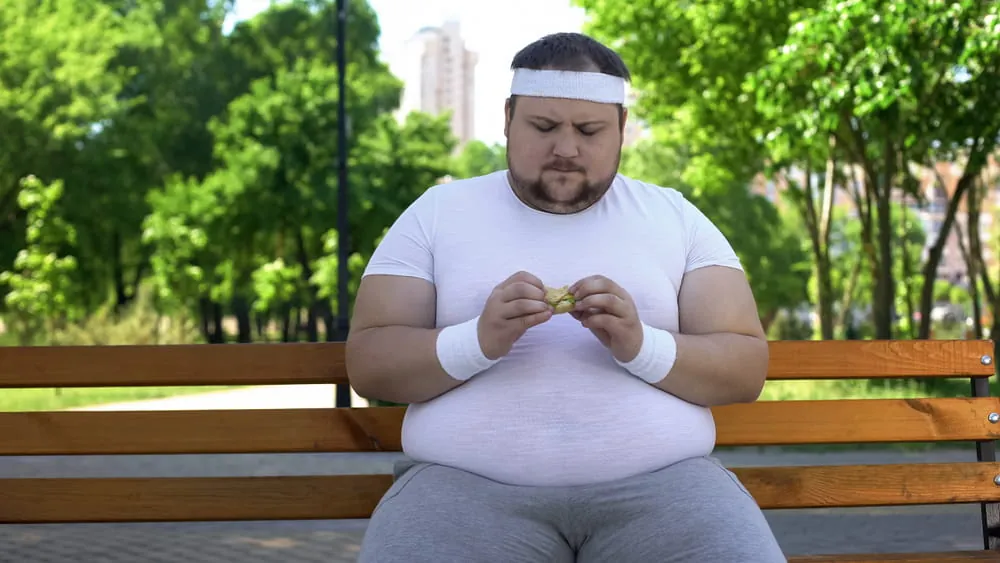
Depression is a complex mental health condition that affects millions of men worldwide, and its impact extends far beyond emotional well-being. At 1Prostate Center, with locations in Manhattan and Queens, Dr. David Shusterman emphasizes the importance of understanding how mental health conditions like depression can influence physical health, including prostate function. While depression and prostate issues may seem unrelated at first glance, research has increasingly shown that the two are interconnected, with emotional health playing a significant role in men’s overall urological health.
Men experiencing depression may encounter changes in lifestyle habits, hormone regulation, and immune function, all of which can influence prostate health. For instance, depression can lead to increased stress hormone levels, such as cortisol, which may affect prostate inflammation and contribute to conditions like benign prostatic hyperplasia (BPH) or exacerbate urinary symptoms. Additionally, depression often results in reduced motivation for self-care, including diet, exercise, and regular medical checkups, which are crucial for maintaining prostate health.
Understanding the link between depression and prostate health is essential for comprehensive care. By acknowledging the ways emotional well-being can influence physical conditions, men can take proactive steps to address both mental and prostate health, improving overall quality of life.
How Depression Influences Hormonal Balance
Depression has a profound effect on hormonal regulation, which can directly impact the prostate. Chronic depression is associated with dysregulation of the hypothalamic-pituitary-adrenal (HPA) axis, leading to altered cortisol and testosterone levels. Testosterone plays a vital role in maintaining prostate tissue health, and lowered levels, which can occur in men with depression, may affect prostate function and contribute to urinary difficulties.
Furthermore, chronic stress and depression may increase inflammation throughout the body, including in the prostate. Inflammation can exacerbate symptoms of prostate enlargement or prostatitis, potentially leading to discomfort, urinary issues, and reduced quality of life. Understanding these mechanisms highlights why men experiencing depression should monitor not only their mental health but also prostate-related symptoms.
Lifestyle Factors and Their Role in Prostate Health
Depression often influences lifestyle choices, which indirectly affect prostate health. Men suffering from depression may experience decreased physical activity, poor nutrition, disrupted sleep, or increased substance use, all of which are risk factors for prostate complications. Regular exercise and a nutrient-rich diet support hormone balance, reduce inflammation, and maintain healthy blood flow to the prostate, underscoring the connection between lifestyle, mental health, and urological wellness.
Some of the key lifestyle factors impacted by depression include:
- Sedentary behavior, which can reduce blood flow and increase inflammation
- Poor diet, particularly low in fruits, vegetables, and healthy fats
- Sleep disturbances, which affect hormone regulation and tissue repair
- Alcohol or nicotine use, which can exacerbate both depression and prostate conditions
Addressing these factors is critical, as men with depression may not realize that lifestyle adjustments can significantly improve both mood and prostate health.
The Psychological Impact on Prostate Symptoms
Depression can also amplify the perception of prostate-related symptoms. Men with depression are more likely to report increased urinary urgency, pain, or discomfort, even when clinical measures indicate mild disease. This phenomenon is partly due to heightened sensitivity to physical symptoms, altered pain perception, and increased focus on bodily discomfort.
Additionally, anxiety and depressive symptoms can contribute to sexual dysfunction, which is often intertwined with prostate health. Erectile dysfunction, decreased libido, and difficulty with ejaculation can stem from both mental health challenges and underlying prostate conditions, creating a cycle where emotional distress worsens physical symptoms, and vice versa. Recognizing this interplay is essential for understanding the full scope of how depression affects men’s health.
Managing the Intersection of Depression and Prostate Health
Effective management of depression-related prostate issues involves addressing both emotional and physical health. Mental health support, such as therapy or counseling, can help mitigate depression symptoms, while lifestyle modifications—including diet, exercise, and sleep hygiene—support prostate function. Stress management techniques, mindfulness practices, and regular medical checkups can also play a crucial role in reducing the impact of depression on the prostate.
By approaching mental and prostate health holistically, men can reduce inflammation, support hormone balance, and improve overall well-being. Recognizing the connection between emotional and physical health is the first step toward proactive care, ensuring that both depression and prostate concerns are addressed comprehensively.
Prioritizing Holistic Health
At 1Prostate Center, Dr. David Shusterman in Manhattan and Queens underscores the importance of recognizing the interplay between depression and prostate health. Mental health and prostate wellness are closely connected, and understanding this relationship empowers men to take proactive steps toward better overall health. Maintaining emotional well-being, alongside healthy lifestyle habits, is essential for supporting long-term prostate function and improving quality of life.
Resources
- Li, H., Zhang, X., & Li, L. (2019). Depression and Its Association with Prostate Health in Men. Journal of Men’s Health.
- Smith, J. P., & Segal, R. A. (2020). Stress, Hormones, and Prostate Disease. Endocrinology Review.
- Rosen, R., & Capozza, F. (2018). Psychological Factors in Urologic Disorders. Urology Today.
Share this blog!
Facebook Twitter LinkedInRecent Post

Managing Chronic Prostatitis: Natural Remedies That Help
Read More »
The Role of Curcumin in Prostate Health
Read More »