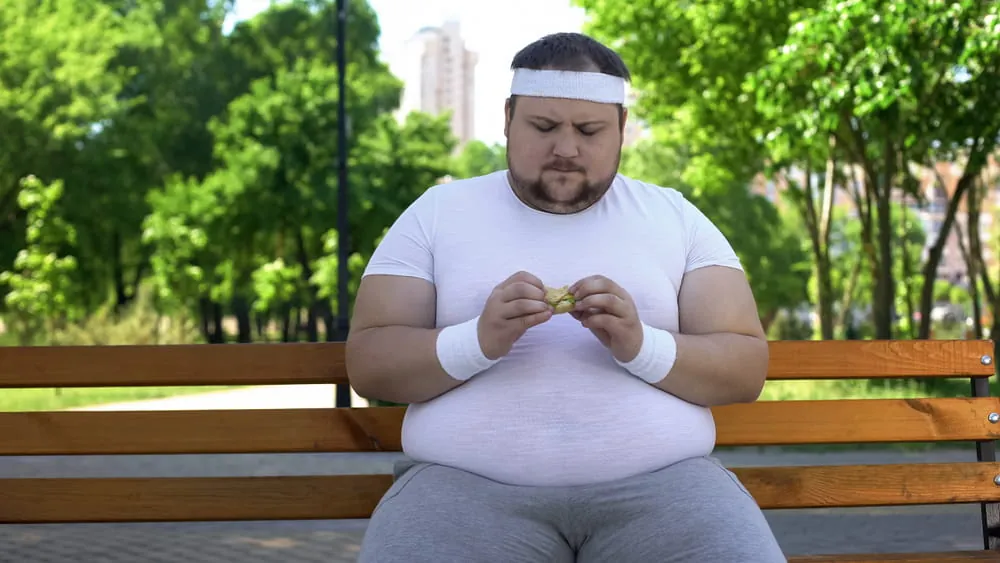
At 1Prostate Center, questions about lifestyle choices and long-term prostate health are common, especially among men living fast-paced lives in Manhattan and Queens. Exercise, long recognized for its cardiovascular and metabolic benefits, has also been increasingly studied for its role in managing prostate cancer risk. Understanding how physical activity influences hormonal balance, inflammation, and immune function can help patients make informed decisions about incorporating movement into their daily routines as part of a proactive approach to prostate wellness.
Understanding Prostate Cancer Risk Factors
Prostate cancer risk is influenced by a combination of non-modifiable and modifiable factors. Age, genetics, and family history play a significant role, but lifestyle elements such as physical activity, diet, and body weight have also been shown to affect risk and disease progression. Sedentary behavior has been associated with higher levels of systemic inflammation and hormonal imbalance, both of which may contribute to unfavorable prostate health outcomes.
Exercise is considered a modifiable factor that can positively influence several biological pathways linked to cancer development. Regular physical activity has been shown to improve insulin sensitivity, reduce chronic inflammation, and support immune surveillance, all of which are relevant in the context of prostate cancer risk management.
How Exercise Influences Hormones and Inflammation
One of the primary ways exercise may affect prostate cancer risk is through its impact on hormones. Elevated levels of insulin and insulin-like growth factors have been associated with cancer cell growth, and physical activity helps regulate these hormones by improving glucose metabolism. Additionally, exercise can influence testosterone regulation, which plays a complex role in prostate tissue behavior.
Inflammation is another critical factor in cancer biology. Chronic low-grade inflammation has been linked to tumor initiation and progression, and regular exercise has been shown to reduce inflammatory markers in the body. By lowering systemic inflammation, physical activity may help create a less favorable environment for abnormal prostate cell growth over time.
Exercise and Immune System Support
The immune system plays a vital role in identifying and eliminating abnormal cells before they develop into clinically significant cancer. Moderate, consistent exercise has been shown to enhance immune function by improving circulation of immune cells and supporting their responsiveness. This enhanced immune surveillance may be one mechanism through which exercise contributes to reduced cancer risk.
For men already navigating prostate health concerns or undergoing conservative management strategies such as Medication, maintaining an active lifestyle may offer additional systemic benefits. While exercise is not a treatment for prostate cancer, it can support overall resilience and physical capacity during various stages of care.
Types of Exercise and Their Potential Benefits
Different forms of exercise offer distinct benefits, and a balanced routine often provides the most comprehensive support for overall health. Aerobic activity, resistance training, and flexibility exercises each contribute uniquely to metabolic health, muscle mass maintenance, and stress reduction.
A well-rounded exercise approach may include:
- Aerobic activities such as brisk walking, cycling, or swimming to support cardiovascular health
- Strength training to preserve muscle mass and improve insulin sensitivity
- Flexibility and balance exercises to reduce injury risk and support mobility
Consistency matters more than intensity for most individuals, particularly those new to exercise or managing other health conditions. Patients are often encouraged to focus on sustainable habits that can be maintained long term.
Exercise During Prostate Cancer Monitoring and Treatment
For men undergoing active surveillance or other prostate-related interventions, exercise may play a supportive role in maintaining quality of life. Physical activity has been associated with improved energy levels, reduced fatigue, and better mental well-being, all of which are important considerations during ongoing monitoring.
In cases where prostate enlargement or urinary symptoms progress, some men may explore procedural options. Prostate artery embolization (PAE) is Dr. Shusterman's first-line procedure, with Rezum as the alternative; TUMT, UroLift, or surgery such as TURP are used for a minority. Even in these contexts, exercise can remain an important component of overall health, supporting recovery, circulation, and physical strength when guided appropriately.
Psychological and Quality-of-Life Considerations
Beyond its physical effects, exercise has well-documented mental health benefits that are especially relevant for men concerned about cancer risk. Anxiety, stress, and uncertainty are common emotional responses, and regular physical activity has been shown to reduce stress hormones and improve mood through endorphin release.
Maintaining an active lifestyle may also foster a sense of control and empowerment, helping patients feel more engaged in their health journey. This psychological resilience can be particularly valuable for men balancing work, family responsibilities, and health concerns in urban environments like Manhattan and Queens.
Integrating Exercise Into a Prostate-Healthy Lifestyle
Exercise is most effective when combined with other healthy lifestyle choices, including balanced nutrition, weight management, and regular medical checkups. No single behavior can eliminate prostate cancer risk, but the cumulative effect of healthy habits can meaningfully influence long-term outcomes.
Educational discussions led by Dr. David Shusterman often emphasize that exercise should be individualized, taking into account age, fitness level, and existing health conditions. Patients are encouraged to consult healthcare professionals before beginning new exercise routines, particularly if they have underlying medical concerns.
Sources
Friedenreich, C. M., & Cust, A. E. (2008). Physical activity and cancer risk. British Journal of Sports Medicine.
Giovannucci, E., et al. (2005). Physical activity, obesity, and risk of prostate cancer. Cancer Epidemiology Biomarkers & Prevention.
Kenfield, S. A., et al. (2011). Physical activity and survival after prostate cancer diagnosis. Journal of Clinical Oncology.
Share this blog!
Facebook Twitter LinkedInRecent Post

Managing Chronic Prostatitis: Natural Remedies That Help
Read More »
The Role of Curcumin in Prostate Health
Read More »